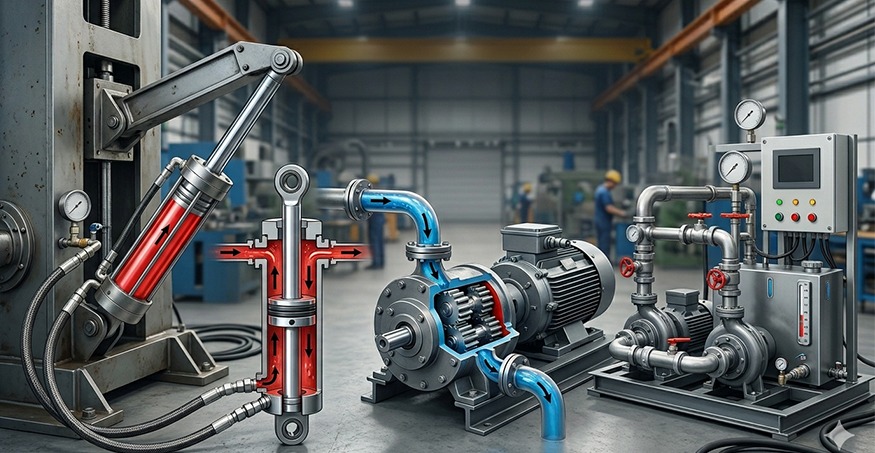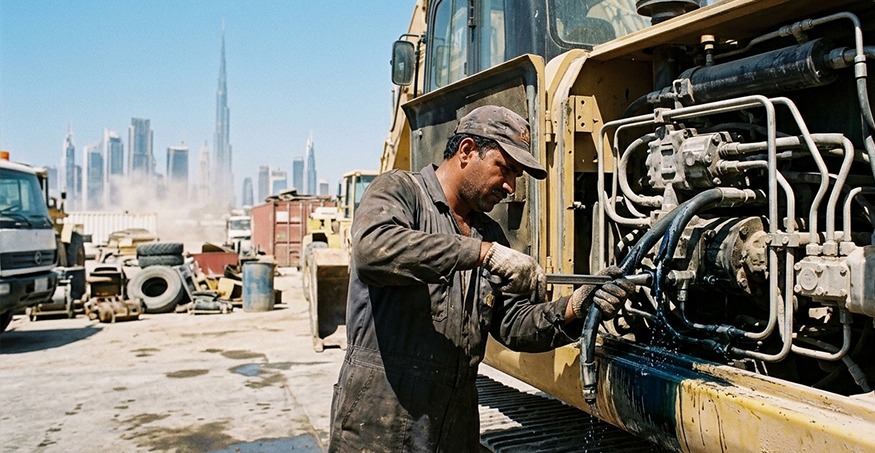
Heavy commercial vehicle operation in the Gulf area requires dealing with one of the harshest conditions for automobiles anywhere in the world. The maximum ambient temperature in the industrial areas of both Sharjah and Dubai during the hottest season exceeds 50°C. In terms of heavy recovery vehicles, lowbed trailers, and industrial tipper trucks, this extreme ambient temperature leads to very high temperatures of the internal hydraulic fluids. Radiant heat of the asphalt combined with intensive duty cycles makes the hydraulic system work at its limit when the machine runs constantly.
For any fleet manager and logistics executive, hydraulic failure is much more than just trouble—this is an operational choke point causing downtime of vehicles, delayed deliveries, and unplanned costs. If you want to save money, it is important to know the exact mechanics of summer hydraulic failures and the ways to protect your fleet through engineering solutions.
1. The Core Threat: Thermal Thinning of Hydraulic Fluid
The primary reason why summertime hydraulic equipment fails is the quick decrease in oil viscosity due to excessive temperatures. Each type of hydraulic oil has its unique viscosity index that regulates the thickness and lubricating properties of oil at different temperatures. Under extremely hot weather conditions, normal hydraulic oil becomes very thin.
When oil becomes thin, it cannot produce a necessary lubricating film that protects the parts inside the machinery from friction and heat. It results in:
- Higher Internal Friction: Pumps, control valves, and telescopic cylinders start rubbing against each other because there is no necessary film that separates them. Consequently, the process of mechanical wear starts.
- The Lowering of Internal Pressures: Because oil is too thin, it can easily go through internal valving and piston seals. As a result, all hydraulics become too slow or stop lifting any objects at all.
- More Rapid Oil Oxidation: High temperature causes changes in the chemical composition of oil and generates sludge that can clog sensitive high-pressure control valves.
In order to overcome this problem, the Dubai’s fleets should switch to oils with high viscosity index (HVI).
2. Destruction of Hydraulic Seals and Gaskets
Hydraulic cylinders use specific types of rubber, polyurethane, or nitrile seals to trap the fluids inside them. Although these special materials are made to withstand wear and tear, they are not meant to be able to handle the pressure of both 50°C outside temperature, heat from internal friction, and abrasive desert sand.
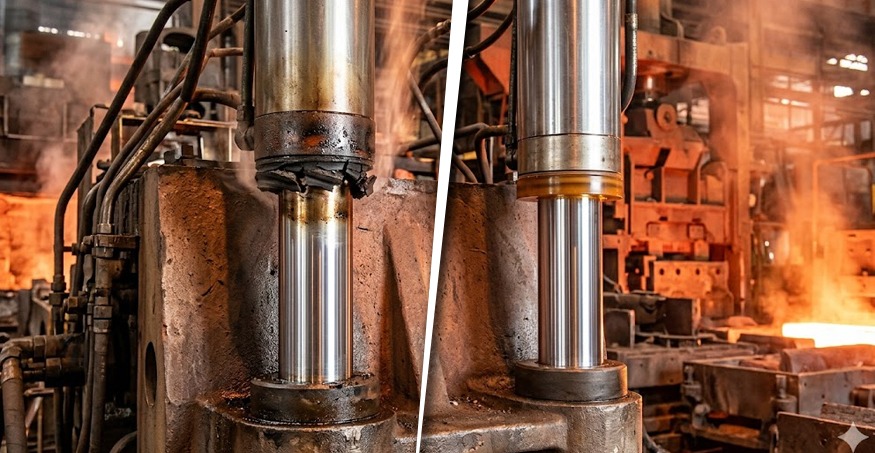
If the internal temperature rises, the seal becomes rigid, cracks, or melts altogether. With this seal damaged, contaminants such as fine desert sand enter the mechanism, creating an abrasive paste that damages the cylinders internally and the gears of the internal pump. Heavy duty hydraulic cylinders equipped with high temperature resistant Viton seals will provide the necessary protection from the harsh summer in the GCC.
3. Solving Problems During Summer With Engineering Solutions
To avoid summer failure, one must not only resort to routine maintenance, but also introduce engineering solutions that will work in the Gulf region.
[Traditional System Setup] —> Susceptible to GCC Excessively Hot 50°C+ Weather
[Engineering Solution Upgrade] —> High-Volume Cooling + Viton Seals = 100% Guarantee
Adding high-quality auxiliary hydraulic oil coolers (heat exchangers) to the hydraulic circuit of your truck is an extremely efficient way to upgrade. Such heat exchangers use electric fans for active cooling of the hydraulic oil stored in the reservoir, maintaining low fluid temperature. Also, choosing custom-built hydraulic reservoirs with bigger fluid capacity helps dissipate heat naturally.
Frequently Asked Questions (FAQs)
Q1: Why does my truck’s hydraulic dumper move sluggishly when the midday sun is blazing down during summer?
The reason is that your hydraulic oil is overheated and thinned out. Overheated oil decreases the viscosity of your hydraulic fluid dramatically, enabling the pressurized oil to pass through the pump gears and piston seals. In turn, decreased internal pressure results in slow movements of your dumper.
Q2: How do I know that my hydraulic seals are worn out due to heat exposure?
The first thing you can see immediately is that oil is seeping around the chrome rods of your hydraulic cylinders. Also, if you can find fine sand particles stuck to the cylinder oil film, it means that the external wiper seal is worn out.
Q3: Do I need to change my hydraulic oil to prevent summer overheating?
Changing oil for more viscous fluid works, but it’s a short-term measure for deep summer heat. To prevent overheating of hydraulics that work in constant duty cycles, you need to make some engineering changes, including auxiliary oil coolers or Viton seal kits.
Conclusion
Beating the harsh summers of the Gulf region takes a tried and tested combination of professional knowledge and tough builds. If you are looking for urgent repairs of your hydraulic cylinders that require precision work in Sharjah, or seeking Hydraulic Winch Solutions capable of enduring hot climates, consider teaming up with the regional specialists. Creative Engineering Works (CEW) runs an advanced industrial facility at Plot # 14010, Al Sajaa Industrial Area, Sharjah, UAE, offering high-end customized fabrication and hydraulic engineering for the heavy transport industry.