The Mountain Challenge in the Desert
When people think of the UAE, they picture flat highways and endless sand dunes. But for logistics and construction professionals, the reality is different. The rugged ascent to Jebel Jais in Ras Al Khaimah—the highest peak in the UAE—presents one of the toughest tests for a heavy vehicle’s hydraulic and braking systems.
For fleet managers and owner-operators, taking a fully loaded truck up and down these steep inclines isn’t just about horsepower; it’s about hydraulic endurance.
Are your trucks truly ready for the gradient? If your hydraulic systems fail on a descent, gravity becomes your worst enemy. This guide covers exactly what you need to know about hydraulic maintenance for heavy vehicles in mountainous terrain, ensuring safety and longevity for your fleet.
Why Mountain Driving Kills Hydraulic Systems
Unlike driving on the straight stretches of Sheikh Zayed Road, mountain driving places unique, intense stress on your truck’s components.
1. The Continuous Load
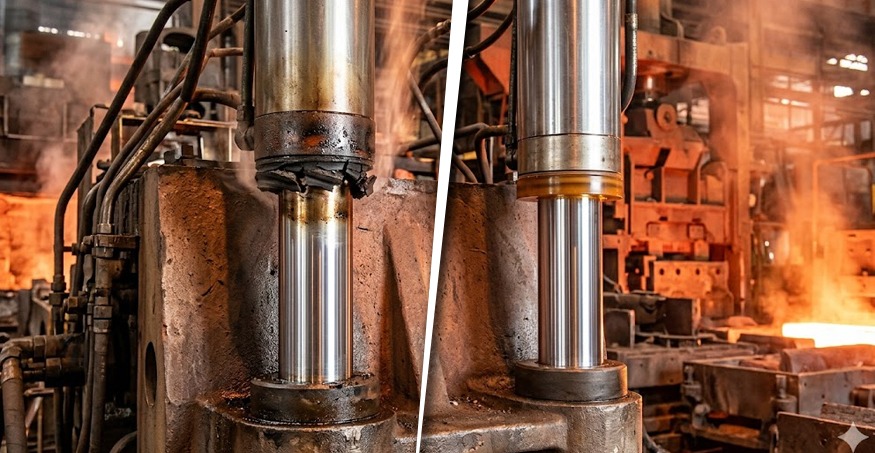
When climbing a 10% gradient, your engine is working at maximum capacity. This creates immense heat and pressure within the hydraulic system. If your hydraulic hoses or seals are already weakened, the increased pressure will cause them to burst exactly when you need them most.
2. The Descent Danger
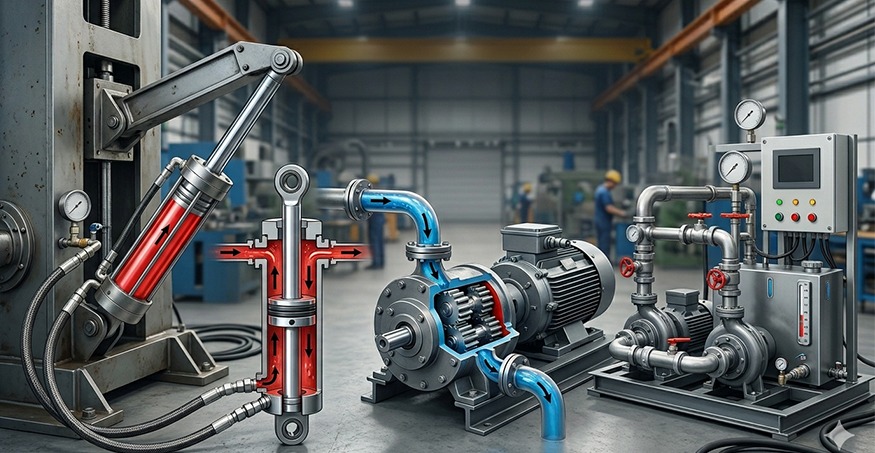
Going down is often more dangerous than going up. Relying solely on friction brakes can cause them to fade (overheat). Modern heavy trucks use hydraulic retarders or engine braking systems integrated with the hydraulics to slow the vehicle down safely. If this system fails due to poor maintenance, you risk a runaway situation.
5 Critical Checks before Hitting the Jebel Jais Road
To prevent breakdowns in Ras Al Khaimah and ensure your fleet operates smoothly, add these five steps to your preventive maintenance checklist.
1. Inspect Hydraulic Hoses for Micro-Fractures
In the UAE, the extreme heat cycles between day and night cause rubber hoses to expand and contract. Over time, this leads to micro-fractures.
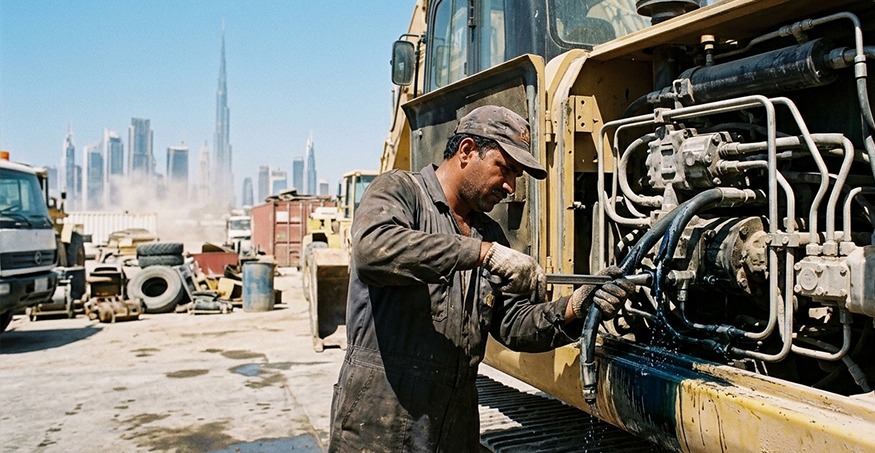
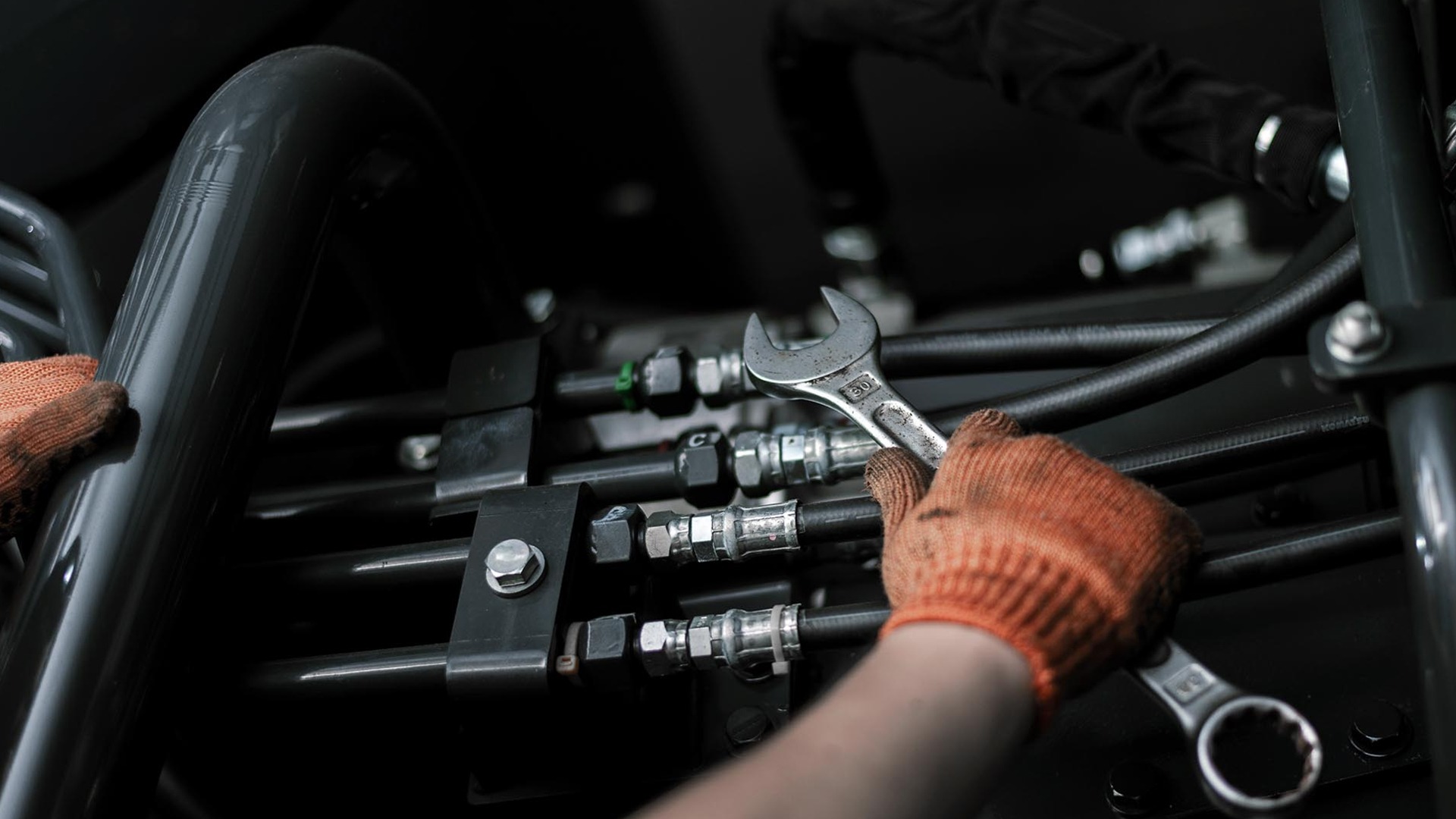
The Test: Before a mountain trip, flex the hoses. If you see tiny cracks that look like alligator skin or feel sticky residue, replace them immediately. A burst hose on a hairpin bend is a disaster.
2. Monitor Fluid Viscosity and Temperature
Hydraulic fluid thins out as it heats up. On a long climb, your fluid temperature can skyrocket. If the viscosity is too low (too thin), it loses its ability to lubricate and transmit power effectively.
The Fix: Use high-quality hydraulic oil specifically rated for high ambient temperatures (often ISO VG 46 or 68 for UAE conditions). Check the reservoir for signs of overheating, such as a dark, burnt smell or discolored fluid.
3. Bleed the Air Out of the Brake Lines
Air is compressible; fluid is not. If there is air trapped in your hydraulic braking lines, your brake pedal will feel spongy. On a steep decline, you need a firm, immediate response.
The Maintenance Task: Regularly bleed your brake lines to ensure 100% hydraulic fluid integrity. This is the single most important step for heavy vehicle safety in the mountains.
4. Check the Radiator and Oil Cooler Interplay
Your hydraulic cooler often sits in front of the radiator. If it is clogged with desert dust and bugs (common in the outskirts of RAK and Dubai), air cannot flow through.
The Result: Your hydraulic fluid overheats because the radiator cannot dissipate the heat. Clean the exterior of the coolers before every long trip.
5. Calibrate Your Hydraulic Retarder
If your truck is equipped with a hydraulic retarder (intake throttling), ensure it is calibrated correctly. This device uses fluid dynamics to slow the truck down without using the wheel brakes. It saves your main brakes from burning out on the descent.
The Real Cost of Getting By
We often hear fleet owners say, “It’s just a trip to the mountains; the truck can handle it.” But cutting corners on genuine spare parts in the UAE leads to exponential costs.
A simple O-ring that costs AED 5, if failed, can leak fluid. That leak leads to pump failure. A pump replacement costs thousands. More importantly, a failure on the side of a mountain leads to expensive tow trucks and days of downtime.
Investing in high-quality hydraulic seals and valves isn’t an expense; it’s insurance against the specific terrain challenges of the UAE.
Troubleshooting Common Mountain Issues
Even with good maintenance, things happen. Here is how to spot the warning signs early:
- Symptom: The hydraulic warning light flickers only on steep inclines.
Diagnosis: Your fluid level might be borderline. The sloshing fluid on the steep hill exposes the pickup pipe. Top up immediately.
- Symptom: A loss of power specifically when climbing.
Diagnosis: This could be a failing hydraulic pump for the fan or turbo, struggling under the load.
- Symptom: A burning smell coming from the wheels after descending.
Diagnosis: Your hydraulic retarder isn’t engaging, or your friction brakes are doing all the work. Check the solenoid valves immediately.
Conclusion: Drive Safe, Maintain Smart
The view from the top of Jebel Jais is spectacular, but getting there and back requires a truck in peak condition. Mountain driving in the UAE demands respect for the machine.
By focusing on hydraulic system health, monitoring fluid temperatures, and using genuine spare parts, you protect not just your vehicle, but your cargo and your reputation.
Don’t wait for a warning light on the highway. Inspect your heavy truck’s hydraulic system today.
Need reliable parts for your next mountain trip?
Contact Creative Engineering Works for genuine hydraulic components, hoses, and expert maintenance advice tailored for the UAE’s toughest terrains.
Keep your fleet moving, no matter the road?